


Itchy Vagina Treatment
Conveniently located to serve the areas of Rancho Cucamonga, CA
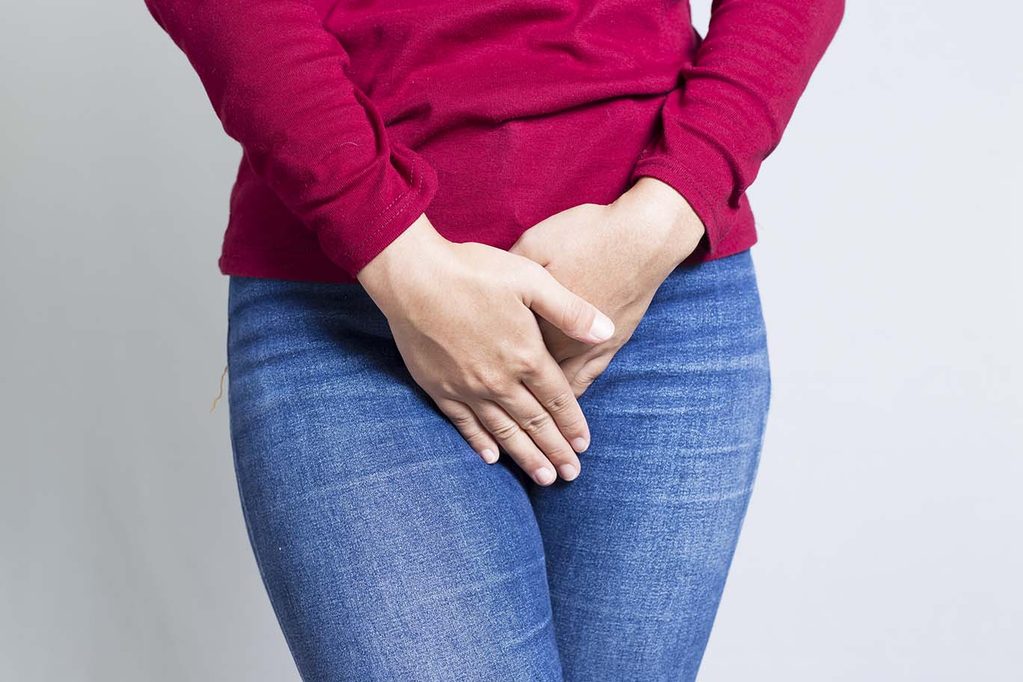
Itchy vagina treatment is a care plan that relieves itching by identifying and treating the root cause. Vaginal itching is a common problem that affects nearly every woman at some point in her life. For many women, it is nothing more than a temporary, uncomfortable nuisance. But if your itching keeps returning, even after drugstore treatments, it can indicate a more serious underlying health concern. Fortunately, alleviating this discomfort comes down to accurately diagnosing and treating its root cause.
Dr. Patricia Guevara-Channell is a talented physician at Channell Wellness & Aesthetics in Rancho Cucamonga, California, who looks at your whole body to find the cause of your vaginal itching. With quality, compassionate care, Dr. Guevara-Channell can build a personalized treatment plan to help you feel comfortable and confident again.
To book your consultation, call our office at (909) 483-1236 or contact us online to get started.
Contents
About Itchy Vagina Treatment
Ongoing discomfort from vaginal itching can disrupt your daily routine and negatively impact your rest, relationships, and confidence. (1) Living with frequent flare-ups can feel overwhelming and isolating, but it is more common than you may think. Vulvar skin has a weaker barrier than other skin, making it vulnerable to irritation. (1)
For some, drugstore treatments resolve discomfort, while for others, it keeps coming back, indicating a deeper underlying cause. The good news is that treatment is available. Vaginal itching has more than one cause, and the right treatment depends on the cause. Dr. Guevara-Channell offers compassionate, empathetic care to help you restore optimal vaginal health through targeted, personalized treatments.
What Causes Vaginal Itching?
Vaginal itching can come from many different aggravating factors. Because different conditions frequently produce similar symptoms, identifying the exact source often requires evaluation by a medical professional. Some common factors that can trigger vaginal itching include: (1)
- Irritants: Harsh chemicals in products like perfumed soaps, laundry detergents, wipes, lubricants, or tight-fitting clothes can trigger itching. Symptoms usually develop shortly after you introduce a new product into your routine.
- Infections: Yeast infections, bacterial vaginosis, and certain STIs are common causes. About 75% of women experience a yeast infection during their lifetime. Beyond itching, these infections may result in abnormal discharge, burning, and distinct odors.
- Skin conditions: Eczema, psoriasis, and lichen sclerosus can affect and irritate the vulva. These chronic skin conditions can sometimes cause visible white patches around the vulva.
Dr. Guevara-Channell prioritizes evaluating these potential causes first. Multiple factors can occur at the same time. An underlying hormonal imbalance may be responsible when none of these conditions explains your itch.
Vaginal Atrophy and Low Estrogen
Estrogen is the female hormone that keeps the vaginal tissue thick, moist, and elastic. (2) When estrogen levels drop, the tissue becomes delicate and susceptible to irritation. There are several reasons for estrogen levels to fall, but the most common are menopause and perimenopause. Menopause and the transition phase, perimenopause, cause estrogen levels to decline by up to 95%. (2) Without estrogen to maintain proper blood flow and tissue health, the vaginal lining and lower urinary tract become thin, dry, less stretchy, and much more fragile. (2) This is called vaginal atrophy or also known as genitourinary syndrome of menopause (GSM).
GSM is an extremely common condition that affects more than half of postmenopausal women, occurring when the ovaries naturally stop producing high levels of estrogen. These noticeable symptoms frequently develop during perimenopause, or while breastfeeding, after childbirth, and with certain medicines. (1) Beyond itching, GSM can cause other uncomfortable physical symptoms like burning, dryness, or pain during sex.
Unlike certain menopausal symptoms, like hot flashes and night sweats, vaginal atrophy will not go away on its own and will continue to worsen without proper medical treatment. (2) When your body permanently stops making estrogen, the vagina loses its protective shield, causing it to lose its natural ability to fight off germs and become extremely thin and easily irritated. The itch keeps recurring because over-the-counter treatments cannot restore the tissue at its biological source and instead only provide temporary comfort.
Benefits
Treating vaginal itching offers several key benefits, including: (2)
- Lasting Relief: Treats the underlying root cause rather than just temporarily masking symptoms to relieve bothersome itching.
- Tissue Protection: Soothes delicate tissues and helps repair irritation caused by chemical irritants, dryness, or mild dermatitis.
- Improved Sleep and Confidence: Alleviates persistent itching that disrupts sleep, strains relationships, and impacts overall self-esteem.
- Tailored Treatment Plan: Dr. Guevara-Channell makes a customized treatment plan based on your specific cause and whole health.
Candidates
You may be an ideal candidate for itchy vagina treatment if you are experiencing any of the following:
- Persistent and recurring vaginal discomfort, including itching, dryness, burning, or pain during intercourse.
- Inadequate relief from over-the-counter remedies or lifestyle changes.
- Hormonal shifts related to the menopausal transition, early menopause due to surgery, genetics, or medical treatments, and postpartum changes.
- Related symptoms such as hot flashes, night sweats, disrupted sleep, or mood changes.
Patients must be in good overall health, not smoke or be willing to quit, and maintain realistic expectations for the outcome of treatment. Certain treatments may need to be postponed if you currently have an active infection, a history of keloids, or a vaginal mesh implant. During your consultation, Dr. Guevara-Channell will take an integrative approach to find the right treatment for you.
Personal Consultation
During your personal consultation, you will meet with Dr. Guevara-Channell one-on-one to discuss your symptoms and review your medical history. She will perform a comprehensive physical examination of your vulvar and vaginal tissue, checking for dryness, thinning, skin changes, and signs of infection. Based on her evaluation, Dr. Guevara-Channell will explain your treatment options and provide a personalized treatment plan, along with the information you need for treatment and recovery. Dr. Guevara-Channell is dedicated to creating a warm, welcoming environment for all patients. She will answer any questions or concerns you may have and provide cost details to ensure you feel prepared and well-informed.
To book your consultation today, call our office at (909) 483-1236 or contact us online and get started today.
Treatment Options
To provide lasting relief from vaginal itching, Dr. Guevara-Channell uses an integrative approach that addresses the root cause of discomfort. Certified in anti-aging and functional medicine, she can also check for an active infection and also evaluate what causes recurring itching, such as vaginal microbiome health, tissue thinning, or hormonal drops.
Your personal treatment plan depends on what she finds. She must first find the cause of the itching and rule out any active infections or chemical irritants. Once any infection has cleared, she can use integrative treatments like bioidentical hormone therapy, MonaLisa Touch, or PRP to help restore the skin barrier, boost moisture, and reduce future itching.
Bioidentical Hormone Therapy
Bioidentical Hormone Therapy (BHRT) uses hormones designed to replicate the structure of those naturally produced by the human body to address hormonal imbalances. BHRT is primarily used to directly treat low levels of estrogen, progesterone, or testosterone during or after menopause. Decreased estrogen levels can lead to vaginal atrophy, which contributes to symptoms like vaginal itching. BHRT is ideal for patients who also experience night sweats. Hormone therapy relieves vaginal atrophy symptoms in about 75% of cases. (2) Dr. Guevara-Channell customizes each dosage to match individual patient needs.
MonaLisa Touch
MonaLisa Touch is a non-hormonal laser treatment designed to relieve uncomfortable symptoms caused by reduced estrogen levels, like vaginal itching. Dr. Guevara-Channell uses a slim laser probe that delivers gentle energy pulses to the vaginal wall. This energy creates tiny micro-injuries in the tissue lining, triggering the body to produce new collagen and increase blood flow. This can restore moisture and thickness to the vaginal walls and help alleviate itching.
A MonaLisa Touch session is performed in-office, takes about five minutes, and is virtually painless. Dr. Guevara-Channell recommends three treatments, spaced six weeks apart, to achieve optimal results. This is an ideal option if you want to avoid hormonal and surgical treatments.
PRP Vaginal Rejuvenation
Platelet-Rich Plasma (PRP) treatment places a small sample of your own blood platelets into your vaginal tissue, where growth factors signal the body to produce collagen and boost blood flow. This process can improve dryness, lubrication, and tissue health, which may help relieve itching, since dryness is a common trigger. PRP is often paired with another treatment.
Recovery and Results
Each itchy vagina treatment offered by Dr. Guevara-Channell requires little to no downtime, with most patients returning to their normal routine the same day. Following a MonaLisa Touch session, you may experience mild irritation or light bleeding. You may resume your daily activities immediately, though sexual intercourse should be avoided for two to three days.
Following PRP therapy, patients may experience minor tenderness or bruising. While you may resume normal daily activities immediately, you must avoid strenuous exercise and sexual intercourse for 24 to 48 hours. BHRT involves no downtime, but it requires consistent follow-up visits and regular blood testing so Dr. Guevara-Channell can adjust the dosage. To support recovery, patients should use fragrance-free products, wash gently, avoid scratching, and closely follow Dr. Guevara-Channell’s personalized aftercare instructions. (1)
Because each patient’s situation is unique, the timeline for achieving relief from itching varies and develops gradually. Over time, patients generally experience reduced dryness and irritation, decreased flare-ups, and improved comfort during sexual activity. Because low estrogen levels require ongoing management, maintenance is essential. If your symptoms or itching return, Dr. Guevara-Channell is available to evaluate and refine your treatment plan accordingly. (2)
Cost of Itchy Vagina Treatment in Rancho Cucamonga
Because every treatment at Channell Wellness & Aesthetics is personalized to your needs, the total price of itchy vagina treatment depends on several factors. During your consultation, Dr. Guevara-Channell will provide a comprehensive price quote that accurately reflects your personalized treatment plan.
To explore the cost of your itchy vagina treatment, please call (909) 483-1236 or contact us online.
FAQ
Can menopause cause vaginal itching?
Yes, menopause can cause vaginal itching. Menopause and the transition phase (perimenopause) can cause estrogen levels to fall by about 95%. When estrogen levels drop, vaginal tissue becomes thinner, drier, and more susceptible to irritation, which can cause itching.
Why does my vaginal itching keep coming back?
Persistent vaginal itching often recurs when you address symptoms without treating the underlying cause. Lower estrogen levels can make infections recur more often, while scratching damages delicate skin and triggers further discomfort. Harsh topical creams or products can also aggravate irritation. Scheduling a comprehensive exam and consultation with Dr. Guevara-Channell can help identify the true cause of your symptoms.
References
- Raef HS, Elmariah SB. Vulvar Pruritus: A Review of Clinical Associations, Pathophysiology and Therapeutic Management. Frontiers in Medicine. 2021; (Volume 8). doi:10.3389/fmed.2021.649402
- Bleibel B, Nguyen H. Vaginal Atrophy. National Library of Medicine. 2020. Accessed October 5, 2026. https://www.ncbi.nlm.nih.gov/books/NBK559297/